

How Small Businesses Can Build a Lead Generation System That Turns Clicks Into Calls
Many small businesses invest in ads, social posts, search visibility, and website traffic, then wonder why the phone is still quiet. The problem is rarely a lack of clicks by itself. More often, the issue is that traffic lands on pages that do not guide visitors toward a clear next step, do not build trust fast enough, or do not make calling feel like the easiest action.
A dependable lead generation system fixes that. Instead of treating marketing as a series of disconnected tactics, it creates a path from attention to intent to action. When built well, that path helps the right people find you, understand your value quickly, and pick up the phone with confidence. For small businesses, that can mean more booked jobs, consultations, estimates, and sales without wasting budget on unqualified traffic.
Start with the buyer journey, not the marketing channel
Small business owners often start with tools. They ask whether they need Google Ads, SEO, social media, landing pages, chat, or call tracking. Those are useful pieces, but they are not the foundation. The foundation is understanding how a real prospect moves from problem awareness to contact.
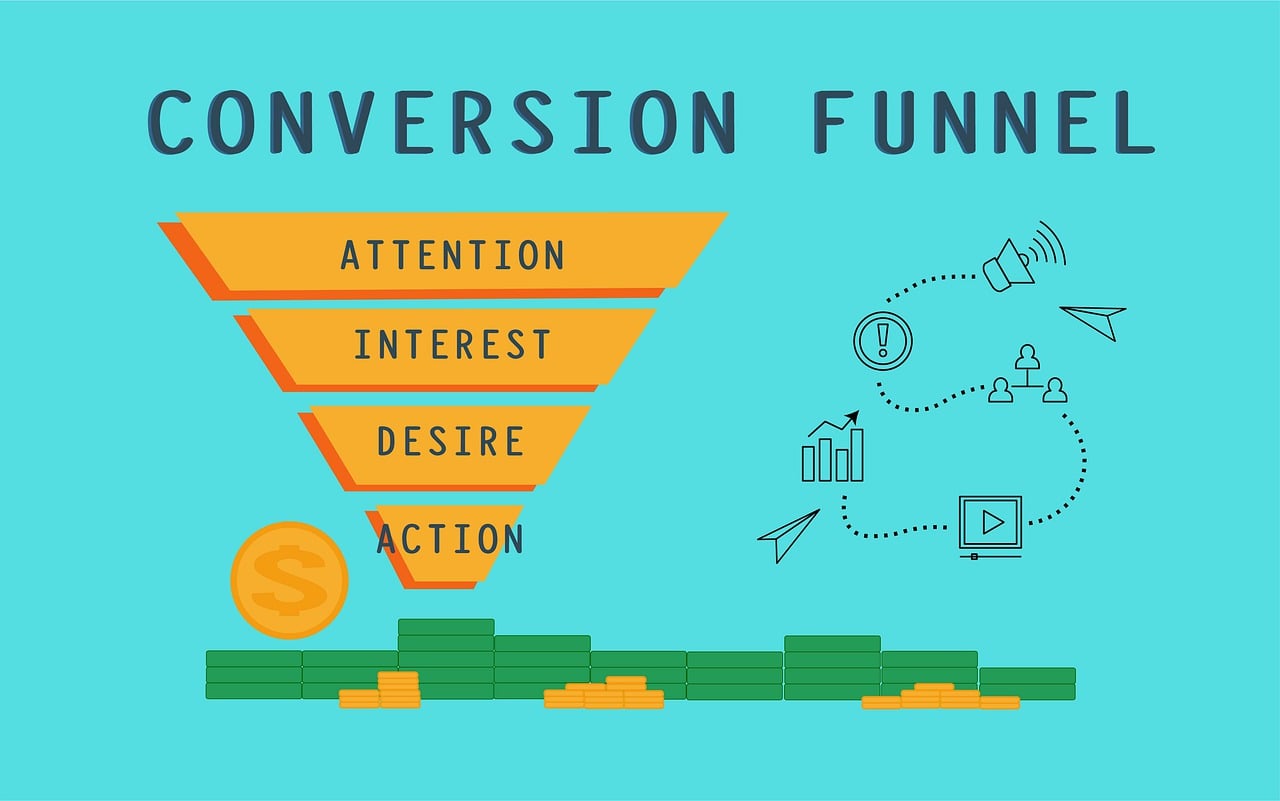
Think about the typical customer journey in simple stages:
- Awareness: The person realizes they have a need, problem, or goal.
- Research: They compare options, read reviews, ask for recommendations, and search online.
- Evaluation: They narrow choices based on trust, relevance, pricing, location, speed, and expertise.
- Action: They call, submit a form, book online, or visit in person.
If your business depends on phone calls, your system should reduce friction at every stage and especially at the moment of action. That means your website, ad copy, business listings, and follow-up process all need to answer a prospect’s silent questions:
- Are you relevant to my problem?
- Do you serve my area?
- Can I trust you?
- Can you help soon?
- What happens if I call?
When these questions go unanswered, people leave. When they are answered clearly, calls rise even if traffic stays the same. That is why conversion improvement is often the fastest way to grow lead volume.
Define what a qualified lead actually looks like
Not every call is valuable. A strong lead generation system is built around qualified leads, not just more inquiries. Before you change your website or ad campaigns, define the kind of calls you want more of.

For example, a qualified lead for a local HVAC business might be a homeowner within the service area who needs repair, replacement, or maintenance and is ready to speak with a technician or scheduler. For a family law attorney, it might be a person in the correct jurisdiction with a time-sensitive issue and intent to hire counsel. For a med spa, it might be a new patient interested in a specific treatment and willing to book a consultation.
Create a simple lead qualification profile that includes:
- Primary services that generate the best revenue
- Ideal customer type
- Geographic service area
- Urgency level
- Average job or client value
- Common objections
- Common pre-call questions
This profile shapes your messaging, targeting, landing pages, and call handling. It also prevents a common mistake: driving generic traffic that produces low-quality conversations and wasted staff time.
Build offers that make calling feel worth it
People do not call because a button exists. They call because they believe the call will help them make progress. That means your business needs a clear offer, even if you are selling a service rather than a product.
An offer is not always a discount. In many service businesses, the strongest offers are based on clarity, speed, and reduced risk. Examples include:
- Same-day estimate scheduling
- Free consultation for first-time clients
- No-obligation inspection
- Emergency response availability
- Transparent pricing conversation
- Insurance verification assistance
- Fast diagnosis by phone
Your offer should answer, “Why should I call now instead of later?” Urgency does not need to be pushy. It can be practical. If a plumbing issue can worsen, say so. If legal timing matters, explain that early action protects options. If appointment slots fill quickly, make that clear.
Good offers also align with the stage of intent. Someone clicking a “water heater leaking” ad is likely ready for action. Someone reading a blog post about preventive maintenance may need a softer call to action, such as a consultation or inspection.
Create landing pages designed for phone conversions
A homepage can support lead generation, but high-intent traffic usually converts better on focused landing pages. These pages should match the search or ad that brought the visitor there and make the next step obvious.
Essential elements of a call-focused landing page
- Clear headline: State what you do, who you help, and where you help them.
- Strong subheadline: Reinforce the value with speed, expertise, or convenience.
- Visible phone number: Place it near the top and make it tap-to-call on mobile.
- Primary call to action: Use direct language such as “Call for a free estimate” or “Speak with a technician now.”
- Trust signals: Reviews, certifications, years in business, guarantees, licensing, associations, or case results where appropriate.
- Service details: Explain what is included, who it is for, and what happens next.
- Local relevance: Mention neighborhoods, cities, or regions served.
- FAQ section: Remove friction by answering common concerns.
- Secondary conversion option: Include a short form for people who are not ready to call.
What to avoid
- Too many navigation choices
- Weak or generic headlines
- Walls of text with no hierarchy
- Stock photos that feel fake
- Hidden contact information
- Long forms for urgent services
- Calls to action that are vague, such as “Learn more”
If your goal is phone calls, the page should be built around call intent. Every major section should support the decision to call. If a visitor has to hunt for the phone number or scroll through distractions, conversion rates drop.
Make mobile the priority, not an afterthought
For many local and service-based businesses, the majority of high-intent traffic comes from mobile devices. People search while commuting, during emergencies, between meetings, or from the couch after business hours. On mobile, patience is limited and attention is fragmented.
Your lead generation system should be mobile-first in both design and function. That includes:
- Fast page load times
- Large tap targets for call buttons
- Sticky call bar or persistent contact option
- Readable text without pinching or zooming
- Short forms with minimal required fields
- Compressed images and clean layout
Page speed matters because delays reduce conversions. Google has published guidance on Core Web Vitals, which help explain the user experience signals tied to loading, responsiveness, and visual stability. Even small improvements in speed and usability can increase calls because fewer visitors abandon the page before acting.
Use local intent signals to attract people who are ready to call
Small businesses often win not by reaching everyone, but by reaching nearby buyers with immediate needs. Local intent is one of the strongest indicators of call potential. Searches that include city names, “near me,” neighborhoods, or service-specific urgency often convert at a high rate.
To capture that intent, align your system across these areas:
Google Business Profile
Your business profile can generate calls directly from search results without a website visit. Keep your business name, phone number, hours, categories, service areas, and photos accurate. Encourage reviews and respond professionally. Add services where relevant. Many prospects decide whether to call based on profile completeness and review quality alone.
Location pages
If you serve multiple cities or regions, create individual pages with unique copy for each area. Include specific service details, local proof, and area references. Avoid duplicate pages with only the city name swapped out.

Service plus location combinations
Pages built around combinations such as “roof repair in Plano” or “divorce attorney in Columbus” can perform well when they match real search demand and offer useful, specific information.
Consistent business data
Make sure your name, address, and phone information is consistent across listings, directories, and social profiles. Inconsistent data creates confusion for both users and search engines.
Local visibility is not only an SEO tactic. It is a conversion tactic because people are more likely to call a business that appears nearby, established, and easy to reach.
Write copy that reduces anxiety and increases action
Visitors do not just need information. They need reassurance. A phone call can feel like a commitment, especially in industries where cost, complexity, or sensitivity is involved. Good copy reduces that anxiety.
Focus on outcomes, not internal language
Small businesses often describe themselves in terms they understand rather than terms customers care about. Replace internal jargon with plain language tied to outcomes.
Instead of:
- “Comprehensive end-to-end remediation solutions”
Try:
- “Fast water damage cleanup to help prevent further damage and get your home back to normal”
Answer the questions people ask before they call
Useful pre-call questions include:
- Do you serve my area?
- How quickly can someone come out?
- What does the first call involve?
- Do you offer financing or payment options?
- Do you work with insurance?
- What should I prepare before the appointment?
When you answer these clearly, more visitors become callers because uncertainty drops.
Use social proof with specificity
Testimonials and reviews work best when they mention real situations, outcomes, and service qualities. “Great service” is better than nothing, but “They answered at 7 a.m., sent a tech within two hours, and fixed the issue the same day” is much more persuasive.
Set up traffic sources that match call intent
Not all traffic sources are equally likely to produce calls. A healthy lead generation system uses a mix of channels, but prioritizes those that attract prospects with stronger intent.
Search engine optimization
SEO can produce sustainable call volume over time, especially for local services and high-intent informational searches. Build pages around actual customer needs, service terms, and local modifiers. Publish helpful content that supports trust and visibility. For foundational guidance on search-friendly content and site structure, Google provides a practical SEO Starter Guide.
Google Ads and local service ads

Paid search is often one of the fastest ways to generate calls because it captures existing demand. Prioritize campaigns around high-intent keywords, use call extensions or call assets, and direct clicks to tightly matched landing pages. Exclude irrelevant searches with negative keywords so budget is not wasted.
Retargeting
Many visitors do not call on the first visit. Retargeting can bring them back with reminders, testimonials, or a more direct offer. This is especially useful for considered services such as legal, medical, financial, or high-ticket home services.
Organic social and local community visibility
Social platforms may not produce the highest immediate call intent, but they can strengthen trust and familiarity. Before calling, many people check recent posts, reviews, and responsiveness. Use social content to reinforce credibility rather than expecting it to carry your whole lead strategy.
Track every stage from click to call to customer
If you do not measure your system, you cannot improve it reliably. Many small businesses stop tracking at form fills or website sessions, but phone-driven businesses need deeper visibility.
What to track
- Traffic source by channel
- Landing page visits
- Call button clicks
- Phone calls by source
- Call duration
- Missed calls
- Booked appointments
- Closed sales
- Revenue by lead source
Use call tracking numbers carefully so you can attribute calls to specific campaigns without harming local consistency. Dynamic number insertion can help identify source-level performance on your website, while your main business number remains consistent in core listings.
Listen for quality, not just quantity
A source that generates 30 short, low-quality calls may be less valuable than a source that generates 10 strong consultations. Review recordings where legal and ethical standards allow, or at minimum assess call outcomes. This reveals whether the problem is targeting, landing page messaging, or phone handling.
Train whoever answers the phone to convert leads
Many lead generation systems fail after the click. The ad works. The page works. The phone rings. Then the opportunity is lost because the call is answered slowly, handled casually, or treated as an interruption.
For many small businesses, the person answering the phone is one of the most important conversion assets in the company. That person needs a clear process.
Phone handling best practices
- Answer quickly whenever possible
- Use a friendly, confident greeting
- Confirm the caller’s need early
- Ask qualifying questions naturally
- Provide a clear next step
- Offer scheduling options rather than asking open-ended questions
- Capture contact details before ending the call
- Follow up promptly on missed calls and voicemails

Simple scripting can help without sounding robotic. For example, instead of saying “How can I help you?” and waiting through confusion, a scheduler might say, “Thanks for calling. Are you looking to schedule an estimate, get help with an urgent issue, or ask a question about one of our services?” That structure moves the call forward.
Measure missed opportunity
Track missed calls by day and time. If calls are frequently missed after hours or during lunch, consider an answering service, overflow routing, or extended coverage. A lead generation system is only as strong as its weakest handoff point.
Use forms, chat, and text as support, not replacements
If your main goal is calls, other conversion tools should support that goal rather than distract from it. Some visitors prefer forms, chat, or text first. That is fine, as long as those options move people toward real conversations.
Best practices include:
- Keep forms short and easy to complete
- Use chat for quick questions and appointment prompts
- Offer text for convenience when appropriate
- Respond quickly across all channels
- Move high-intent inquiries to a phone call when useful
For example, a prospect might use chat to ask if you serve their ZIP code. A strong response confirms coverage and invites them to call for immediate scheduling. The point is not to force every person into the same path, but to remove friction while guiding them toward the highest-converting interaction.
Build trust signals that matter in your industry
Trust is contextual. What reassures a homeowner may differ from what reassures a patient, client, or business buyer. Your site and profiles should highlight the trust signals most relevant to your audience.
Examples by business type
- Home services: Licensing, insurance, warranty details, before-and-after photos, local reviews, years in business
- Legal: Bar admissions, practice focus, case experience, testimonials where permitted, consultation process
- Healthcare and wellness: Credentials, treatment explanations, patient reviews, safety protocols, insurance information where relevant
- B2B services: Client logos, case studies, certifications, process transparency, response times
Trust also comes from tone. Overstated claims can hurt credibility. Clear, direct, evidence-based messaging usually performs better than hype.
Improve conversion rates through ongoing testing
No lead generation system is finished. Once your baseline is in place, test improvements methodically. Small changes can create meaningful gains in call volume and lead quality.
What to test
- Headline wording
- Call to action phrasing
- Button placement and color contrast
- Phone number visibility
- Trust badge placement
Need help with How Small Businesses Can Build a Lead Generation System That Turns Clicks Into Calls?
Text nowNeed help with How Small Businesses Can Build a Lead Generation System That Turns Clicks Into Calls? Text now