The Essential Skills Every Web Designer Needs in 2025
Hey everyone! Thinking about what it takes to be a great web designer these days? We’ve been doing this for a while at Web Maintenance US, and let me tell you, the game changes fast. It’s not just about making things look pretty anymore. We need to know how to tell a story with visuals, make sites easy and fun to use, build them so they work everywhere, and get them seen by the right people. Plus, we have to keep up with all the new stuff coming out. So, we put together a little guide on what we think every web designer needs in their toolkit for 2025.
Key Takeaways
- A good web designer knows how to use colors, fonts, and layouts to tell a story and guide people through a site.
- Making websites easy and enjoyable to use, including making them work for everyone, is super important for any web designer.
- Knowing how to code with HTML, CSS, and JavaScript helps a web designer bring their ideas to life and make sure sites work on any device.
- Getting your website found online through SEO is a big part of a web designer’s job, using keywords and good content.
- Staying updated on new design ideas and using tools like AI can help a web designer stay ahead of the game.
Mastering The Art Of Visual Storytelling
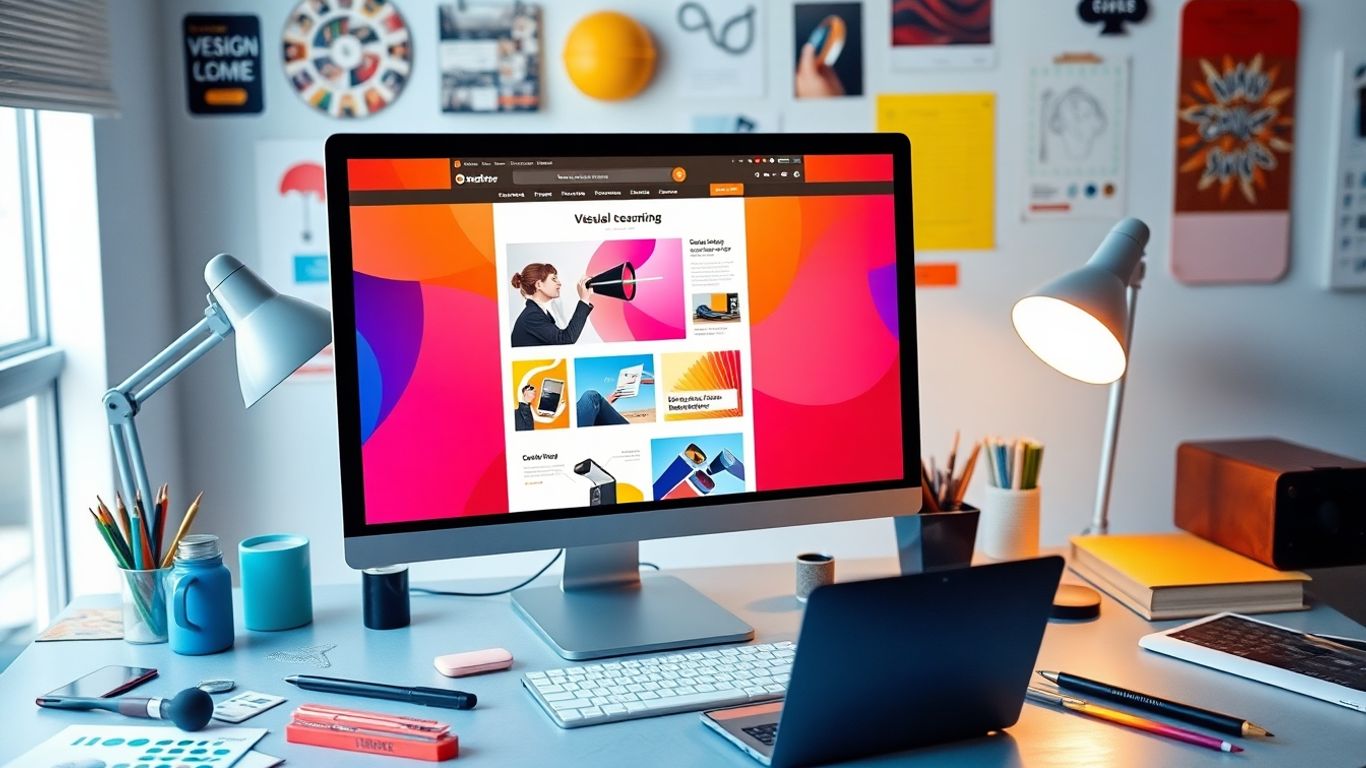
Alright folks, let’s talk about making websites that don’t just look good, but actually tell a story. We’re talking about visual storytelling, and honestly, it’s where the magic happens. Think of your website as a book, and every element – colors, fonts, layout – is a word or a sentence guiding your visitor through a narrative. It’s not just about slapping some pictures on a page; it’s about creating an experience that pulls people in and makes them feel something.
Crafting Compelling Color Palettes
Colors are like the mood music of your website. Pick the wrong ones, and you might end up with a site that feels chaotic or, worse, boring. We want to create palettes that grab attention but also feel right for the brand. For instance, a tech startup might go for blues and grays to convey trust and innovation, while a bakery would probably lean towards warmer, inviting tones. It’s a balancing act, for sure. We’ve found that sticking to a primary, secondary, and accent color usually keeps things from getting too wild. Plus, it makes things like web maintenance much simpler when you have a clear visual direction.
Typography That Speaks Volumes
Fonts are more than just letters; they have personalities! Choosing the right typeface can make your content readable and stylish, or it can make people want to click away faster than you can say "kerning." We like to mix and match, usually a sans-serif for body text because it’s easy on the eyes, and maybe a more decorative serif or script for headings to add a bit of flair. But you gotta be careful not to go overboard. Three fonts is usually our max. Anything more and it starts looking like a ransom note.
Layouts That Guide The Eye Like A Pro
This is where we arrange all our pretty elements. A good layout is like a well-paved road for your visitor’s eyes. It leads them where you want them to go, highlighting the important stuff. We use things like the rule of thirds, white space (which is super important, by the way!), and visual hierarchy to make sure people see what matters most. It’s all about making the user journey smooth and intuitive. Think of it as setting up a treasure hunt, but instead of gold, they find the "buy now" button.
Don’t be afraid of empty space. It’s not wasted space; it’s breathing room for your design, allowing elements to stand out and preventing visual clutter. It’s the pause in the music that makes the notes more impactful.
The User Experience Sorcery Every Web Designer Needs
Alright, let’s talk about making websites that people actually like using. It’s not just about making things look pretty; it’s about creating an experience. Think of it like this: you wouldn’t want to walk into a store with confusing aisles and grumpy staff, right? Your website is the same. We want people to feel good when they’re clicking around.
Intuitive Navigation That Feels Like Magic
This is where we make things super easy. Nobody wants to play a scavenger hunt just to find your contact page. We’re talking about clear menus, logical button placement, and breadcrumbs that actually make sense. Good navigation is like a friendly guide, not a riddle. It should feel so natural, people don’t even think about it. It’s the backbone of a good user journey, and honestly, it’s something we always check during our Web Maintenance US services to make sure everything is running smoothly.
Designing For Delightful Interactions
This is the fun part! It’s all about those little touches that make a website feel alive and responsive. Think smooth animations when you hover over a button, satisfying feedback when you submit a form, or even a little surprise when you scroll. These microinteractions add personality and make the whole experience more engaging. We want users to feel like they’re interacting with something smart, not just a static page. It’s about making the digital world feel a bit more human.
Accessibility: Making Your Site Welcoming To All
This is non-negotiable, folks. We need to build websites that everyone can use, no matter their abilities. This means thinking about things like:
- Color contrast: Making sure text is readable against backgrounds.
- Keyboard navigation: Can someone use the site without a mouse?
- Alt text for images: Describing images for screen readers.
- Clear form labels: So everyone knows what information to put where.
It’s about being inclusive. If we’re not thinking about accessibility, we’re basically telling a chunk of people to go somewhere else. And that’s just not cool. Plus, it often helps with SEO too, which is a nice bonus.
We want users to leave our sites feeling like they accomplished something easily, not like they just wrestled a digital octopus. It’s the difference between a happy customer and someone who slams their laptop shut in frustration.
Coding Conjuring: Bringing Designs To Life
Alright, so we’ve got these killer designs, right? But how do we actually make them work on the web? This is where the magic of coding comes in. It’s not just about making pretty pictures; it’s about building functional, interactive experiences. Think of it as the difference between a blueprint and a fully built house. We need to know how to translate our visual ideas into something the internet understands.
HTML & CSS: The Foundation Of Your Digital Kingdom
Seriously, you can’t build a website without knowing your HTML and CSS. HTML is like the skeleton of your site – it gives everything structure and meaning. You use it to define headings, paragraphs, images, links, all that good stuff. Then comes CSS, which is the styling. It’s how we make things look good, controlling colors, fonts, spacing, and layout. Without solid HTML and CSS skills, your designs will just be pretty pictures that don’t do anything. It’s like having a fantastic outfit but no way to put it on. We’ve seen some pretty wild CSS experiments over the years, but mastering the basics is key. And hey, if you’re looking for help keeping your site running smoothly after the build, companies like Web Maintenance US can be a lifesaver.
JavaScript Juggling For Dynamic Experiences
Okay, so HTML and CSS give us structure and style. But what makes a website feel alive? JavaScript! This is the language that adds interactivity. Think dropdown menus, image sliders, form validation, animations – all that jazz. It’s what makes users go “ooh, cool!” instead of just scrolling past. Learning JavaScript can feel like juggling at first, but once you get the hang of it, you can create some seriously engaging user experiences. We’re talking about making buttons that react when you click them, or content that loads without a full page refresh. It’s the secret sauce for keeping visitors hooked.
Responsive Design: One Site, All Devices
Remember the days when websites were just for desktops? Yeah, me neither. Today, people are browsing on phones, tablets, smartwatches – you name it. Responsive design is all about making sure your website looks and works great no matter what screen size someone is using. It’s not just a nice-to-have anymore; it’s a must-have. We use techniques like fluid grids, flexible images, and media queries in our CSS to make sure our {{ keyword }} designs adapt.
Here’s a quick rundown of why it’s so important:
- Better User Experience: People get frustrated if they have to pinch and zoom constantly.
- Improved SEO: Google actually favors mobile-friendly websites.
- Wider Reach: You’re not alienating a huge chunk of potential visitors.
Building a website that looks good everywhere is like making sure your favorite pizza tastes amazing whether you eat it at home or at a picnic. It just has to work, no matter the situation.
SEO Sorcery: Getting Your Creations Discovered

Alright, so we’ve built this amazing website, right? It looks fantastic, works like a dream, and we’re super proud. But what happens if nobody can find it? That’s where SEO, or Search Engine Optimization, swoops in like a caped crusader. Think of it as the secret handshake that gets Google and its buddies to notice your digital masterpiece. Without it, your brilliant design might as well be hidden in a digital dungeon.
Keyword Charms For Better Rankings
Keywords are basically the words people type into search engines when they’re looking for something. If you’re selling handmade dog sweaters, you want words like "custom dog sweaters," "knitted dog apparel," or "warm dog coats" to pop up when someone searches. We need to sprinkle these keywords naturally throughout our content, titles, and descriptions. It’s not about stuffing them in like a Thanksgiving turkey; it’s about making them fit so search engines understand what your page is all about. Getting the right keywords is like picking the perfect spell ingredients. We can use tools to see what people are actually searching for, which is way better than just guessing. This is a big part of what we focus on during our Web Maintenance US check-ups, making sure your site stays relevant.
On-Page Optimization Incantations
This is all about making the individual pages on your website as search-engine-friendly as possible. It includes things like writing clear, descriptive title tags and meta descriptions – those little snippets you see under the page title in search results. We also want to use header tags (like H1, H2, H3) to structure our content logically. Image alt text is another big one; it’s like a description for search engines (and visually impaired users) of what an image shows. Basically, we’re making it super easy for search engines to crawl and understand our pages. It’s like giving them a clear map to your treasure.
Content That Captivates Search Engines
Search engines love fresh, useful content. This means blog posts, articles, or even detailed product descriptions that answer users’ questions and provide real value. The more helpful and engaging your content is, the more likely people are to stick around, and the more search engines will see your site as a reliable source. We need to think about what our audience wants to know and create content that speaks directly to them. It’s a bit like telling a really good story that keeps people hooked. High-quality content isn’t just good for users; it’s a major signal to search engines that your site is worth ranking.
We’re not just building websites; we’re building digital destinations. Making sure people can find those destinations is half the battle, and SEO is our trusty map and compass.
The Digital Marketing Spellbook For Web Designers
So, we’ve built this amazing website, right? It looks fantastic, works like a charm, and is super accessible. But… crickets. Nobody’s finding it! This is where our digital marketing spellbook comes in. Think of it as the secret sauce that gets your creations seen and loved.
Social Media Enchantments
We can’t just build it and expect them to come. Social media is like the town square of the internet. We need to be there, chatting, sharing cool stuff, and showing off our work. It’s not just about posting pretty pictures; it’s about building a community. Think about what your target audience likes. Are they on Instagram, LinkedIn, or maybe even TikTok? Tailor your content. A quick behind-the-scenes look at a design project can be way more engaging than just a finished product shot. Consistency is key here; sporadic posting just won’t cut it.
Content Marketing Charms
This is where we become the wise wizards of information. Creating blog posts, guides, or even short videos related to web design (or whatever your niche is) attracts people who are looking for solutions. If you write a great article about, say, the best color palettes for user engagement, and someone searches for that, boom! They find you. It’s like leaving a trail of breadcrumbs leading straight to your digital doorstep. This also helps with things like Web Maintenance US, as good content can explain why ongoing care is important.
Email Marketing Rituals
Remember that list you’ve been building? It’s time to use it! Email marketing is still super powerful. It’s a direct line to people who have already shown interest. We can send out newsletters with our latest projects, design tips, or even special offers. It’s way more personal than social media. Just make sure you’re not spamming people; provide real value in every email. A simple welcome series for new subscribers can make a big difference in how they perceive your brand.
Staying Ahead Of The Curve: Future-Proofing Your Skills
Alright, so we’ve covered a lot of ground, right? From making things look pretty to making them work like a charm, and even getting them found by search engines. But here’s the real kicker: the web doesn’t stand still. If we want to keep doing this cool job, we gotta keep learning. Think of it like this: if you stopped learning how to use your phone yesterday, you’d be pretty lost today. The same goes for web design. We need to be ready for whatever’s next, and that means being smart about how we update our skills. It’s not just about knowing the latest design trends; it’s about building a habit of learning that keeps us relevant. Even simple things like keeping your website updated with regular Web Maintenance US can be a good starting point for staying current.
Embracing New Design Trends
So, what’s hot right now? Well, things change fast. One minute it’s all about minimalist interfaces, the next it’s bold, experimental stuff. We’ve seen a big push towards more interactive elements, like micro-animations that give little bits of feedback when you click something. Also, glassmorphism is still hanging around, giving that cool, frosted-glass look. And don’t forget about the focus on accessibility – making sure everyone can use our sites. Keeping an eye on what’s new and trying it out, even on personal projects, is key. It’s how we figure out what works and what’s just a passing fad. We can check out design blogs, follow other designers on social media, or even just play around with new tools.
Continuous Learning: The Web Designer’s Quest
This isn’t a one-and-done thing. Learning is like, well, breathing for us. We need to make it a regular part of our lives. Here’s how we can make it happen:
- Set aside time each week: Even an hour or two can make a difference. Maybe it’s for an online course, reading an article, or watching a tutorial.
- Follow industry leaders: See what the pros are talking about and doing. They often share insights into upcoming changes.
- Join online communities: Places like Reddit or Discord have groups where designers share tips and ask questions. It’s a great way to learn from others’ experiences.
- Experiment with new tools: Don’t be afraid to try out new software or plugins. You never know what might make your workflow better.
We need to be curious. That’s the real secret sauce. If we’re not curious about how things work or how they could be better, we’ll get left behind. It’s that simple.
AI Tools: Your Digital Assistants
Okay, let’s talk about AI. It’s not here to take our jobs (at least, not all of them!). Think of AI tools as super-powered assistants. They can help us with repetitive tasks, like generating code snippets, suggesting color palettes, or even writing basic content. For example, AI can help speed up the process of creating different versions of a design for A/B testing, which is super helpful for optimizing user experience. We can use AI to analyze user data and get insights faster than ever before. It’s all about using these tools to make our work more efficient and to free up our time for the more creative, strategic parts of design. We should definitely be playing around with these to see how they can help us.
To stay ahead in today’s fast-changing world, it’s important to keep your skills sharp and up-to-date. Think of it like learning new things in school to be ready for the future. Don’t get left behind! Visit our website to discover how you can boost your abilities and prepare for what’s next.
So, What’s the Takeaway?
Alright folks, that’s a wrap on what we think makes a web designer shine in 2025. It’s a lot, we know, and maybe you’re feeling a bit like we did trying to assemble IKEA furniture without the instructions. But hey, learning new things is what keeps this whole web design gig interesting, right? At Web Maintenance US, we’re always keeping an eye on what’s next, and we’re here to help you keep your website looking sharp and working like a charm. If all this talk of new skills has you feeling a little overwhelmed, or if you just want to chat about making your website the best it can be, give us a shout! You can find us on Facebook, Instagram, or even TikTok. Let’s build something awesome together!
Frequently Asked Questions
What are the most important design skills for web designers today?
We think understanding how to make websites look great is key. This means picking good colors that work together, choosing fonts that are easy to read and match the site’s vibe, and arranging everything on the page so people know where to look. It’s all about making the site visually appealing and easy on the eyes.
Why is user experience (UX) so important in web design?
Making a website easy and enjoyable to use is super important. If people can’t find what they need or get confused, they’ll leave. We focus on making navigation simple, adding fun little animations that don’t slow things down, and ensuring everyone, including people with disabilities, can use the site easily. Good UX keeps visitors happy and coming back.
Do web designers need to know how to code?
Yes, knowing the basics of coding like HTML and CSS is really helpful. It’s like knowing how to build the structure of a house before you decorate it. It allows us to bring our designs to life accurately and make sure they work on all sorts of devices, from phones to big computer screens. We at Web Maintenance US believe this is a fundamental skill.
How can web designers help websites get found on Google?
That’s where SEO, or Search Engine Optimization, comes in. We use smart words (keywords) that people search for, organize the website’s content well, and create engaging text that search engines like. Think of it as making your website a popular destination that search engines want to show to everyone. We help with this at Web Maintenance US.
What role does digital marketing play for web designers?
Websites need to be promoted! We help clients use social media, create interesting blog posts or articles, and send out emails to connect with their audience. It’s about getting the word out and bringing people to the website. We offer these services at Web Maintenance US to help businesses grow.
How can web designers stay up-to-date with new trends?
The web is always changing, so we have to keep learning! We watch for new design styles, learn new tools, and understand how new technologies like AI can help us. It’s a continuous journey to make sure our skills are sharp and our designs are modern. Web Maintenance US is committed to staying current.