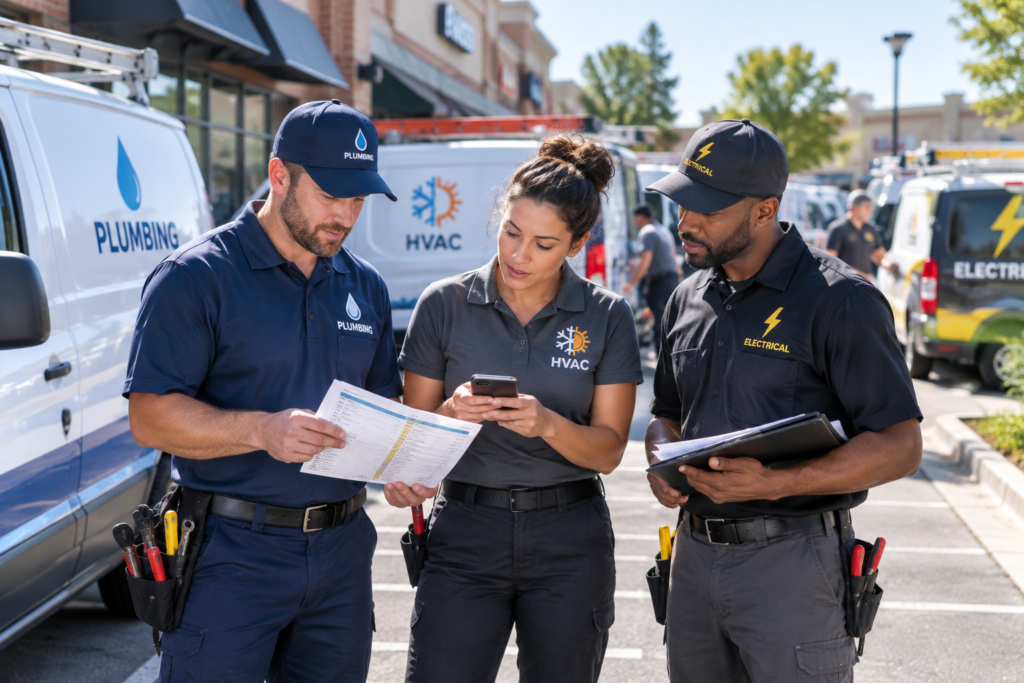

Lead Generation Strategies for Plumbers, HVAC Companies, and Electricians in Competitive Markets
For plumbers, HVAC companies, and electricians, lead generation is no longer just about being listed in a directory and waiting for the phone to ring. In competitive markets, the companies that win are the ones that build visibility across search, local discovery, paid media, reviews, referrals, and follow-up systems. The challenge is not simply getting more traffic. It is attracting the right prospects, converting them quickly, and turning one-time service calls into repeat business.
Home service buyers often make decisions fast. A burst pipe, failed AC unit, or electrical issue creates urgency, while maintenance, upgrades, and installations involve more comparison shopping. That means your lead generation strategy must serve both immediate intent and longer consideration cycles. The most effective approach blends local SEO, paid campaigns, strong website conversion design, reputation management, and disciplined sales follow-up into one system.
Build a local demand capture system before chasing more traffic
Many contractors assume lead generation starts with advertising. In reality, it starts with capturing the demand that already exists in your market. People are searching every day for water heater repair, AC replacement, panel upgrades, drain cleaning, indoor air quality solutions, emergency service, and maintenance plans. If your company is not visible when those searches happen, your competitors get the call.
A demand capture system includes four essentials:
- A fast, mobile-friendly website with clear service pages
- A fully optimized Google Business Profile
- Consistent business information across directories and citations
- Review generation and response processes that build trust
Before increasing spend, audit these basics. If your site loads slowly, if your phone number is hard to tap on mobile, if your service area pages are thin, or if your reviews are stale, paid traffic will underperform. Strong fundamentals improve every channel, from organic search to local service ads to referral traffic.
Create service pages that match real buyer intent
One of the biggest mistakes home service businesses make is relying on a generic services page. Competitive markets require focused pages built around specific customer needs. Instead of one broad page for plumbing, create dedicated pages for sewer line repair, drain cleaning, water heater installation, tankless water heaters, leak detection, repiping, and emergency plumbing. HVAC companies should break out AC repair, AC installation, furnace repair, heat pump services, ductless mini-splits, indoor air quality, and seasonal tune-ups. Electricians should create separate pages for EV charger installation, panel upgrades, rewiring, lighting installation, generator installation, surge protection, and troubleshooting.
These pages should not be thin or repetitive. Each should include:
- A clear explanation of the problem and solution
- Signs the customer may need the service
- Common causes and safety considerations
- The process your company follows
- Service area details
- Frequently asked questions
- Trust signals such as licensing, certifications, reviews, or warranties
- A strong call to action with click-to-call and form options
This structure helps your pages rank for long-tail local searches and increases conversion rates because visitors immediately see that you handle their exact issue. It also creates more landing page options for paid search campaigns, which improves relevance and lowers wasted ad spend.
Win local SEO with proximity, relevance, and trust
Local SEO remains one of the highest ROI channels for contractors because it captures intent at the moment people are looking for help. Ranking well in local results depends on relevance, distance, and prominence. You cannot control proximity, but you can improve the other two.
Optimize your Google Business Profile thoroughly
Your Google Business Profile often generates calls before people even visit your website. Complete every field accurately. Choose the most precise primary category and supporting categories. Add service descriptions, business hours, service areas, photos of trucks, technicians, jobs, and team members, and list all relevant services. Use real images instead of stock photography whenever possible.
Post updates regularly, answer questions, and monitor suggested edits. Make sure your business name matches your real-world branding and signage. Avoid keyword stuffing in the business name because that can create suspension risk.
Build location relevance on your website
If you serve multiple cities or neighborhoods, create useful location pages. These should not be duplicate pages with only the city name changed. Include local context such as housing stock, climate issues, common service needs, permit considerations, and testimonials from nearby customers. A page about HVAC services in a hot suburban area should discuss cooling loads, attic heat, and seasonal maintenance in a way that reflects the local environment.
For electricians, a location page might cover older homes that need panel upgrades or rewiring. For plumbers, it might discuss hard water, slab leaks, or common sewer line issues in the area. This improves relevance and creates a better user experience.
Strengthen authority with reviews and citations
Reviews influence both rankings and conversion. Ask every satisfied customer for feedback, especially after successful repairs, installations, and maintenance visits. Train technicians and office staff to make the ask at the right moment. Use SMS and email follow-up to simplify the process.
Consistency in your name, address, and phone number across directories still matters. Audit major listings and industry platforms to correct discrepancies. Even small errors can dilute trust signals.
For practical guidance on improving local visibility, review Google’s recommendations for representing your business on Google. Following platform rules reduces risk and supports long-term performance.
Use paid search to capture high-intent calls fast

SEO builds durable visibility, but paid search gives you immediate presence for valuable keywords. In competitive markets, Google Ads can be a major lead source if campaigns are tightly structured and conversion tracking is accurate.
Separate campaigns by service and urgency
Do not lump all services into one campaign. Break campaigns into focused groups such as emergency plumbing, water heater replacement, AC repair, furnace installation, panel upgrades, or EV charger installation. This lets you tailor ad copy, budgets, and landing pages to the value and urgency of each service.
Emergency services often justify higher bids because the close rate is strong and speed matters more than price shopping. Installation campaigns may need more education, financing messaging, and trust-building content because customers compare multiple providers.
Use local intent modifiers and negative keywords
Target terms that indicate clear buying intent, such as near me, same day, emergency, repair, install, replacement, and estimate. Pair those with your service and geography. At the same time, use negative keywords to block irrelevant traffic. For example, exclude DIY, jobs, salary, school, training, free parts, and unrelated product searches.
Match ads to landing pages
If someone clicks an ad for tankless water heater installation, the landing page should focus on tankless systems, not a generic plumbing page. The same principle applies to AC replacement, electrical troubleshooting, or drain cleaning. Message match improves conversion rates and quality scores.
Track calls, forms, and booked jobs
Many contractors stop at lead volume. That is not enough. You need to know which campaigns produce booked work and revenue. Set up call tracking, form tracking, and CRM attribution so you can compare cost per lead, booking rate, average ticket, and close rate by service line.
For example, a campaign that produces fewer leads but more high-margin installations may outperform one that delivers cheap but low-value repair calls. Budget decisions should be based on profit, not just volume.
Leverage Local Services Ads where available
For many home service categories, Local Services Ads can be a powerful source of calls and messages. These placements appear prominently in local results and can perform especially well for urgent service needs. The trust element is strong because users see reviews and screening information directly in the ad unit.
To get the most from this channel:
- Keep your service categories precise
- Respond quickly to every lead
- Maintain review velocity
- Dispute invalid leads when appropriate
- Monitor lead quality by zip code and service type
Speed matters here. If your office misses calls or takes too long to respond, lead quality will look worse than it really is because hot prospects move on quickly. In highly competitive markets, operational discipline is part of marketing performance.
Design your website to convert under pressure
A contractor website should not behave like a digital brochure. It should function as a conversion tool for stressed, busy, and often mobile visitors. People dealing with no heat, no cooling, a leaking pipe, or electrical hazards want confidence and clarity fast.
Prioritize mobile usability

Most home service traffic comes from phones. Your site should load quickly, use large tap targets, place the phone number prominently, and keep forms short. Sticky call buttons can help, especially for emergency services.
Make trust obvious above the fold
Visitors should see your core services, service area, reviews, and key trust signals immediately. Include licensing information where relevant, financing availability, warranty messaging, years in business, and any manufacturer certifications or association memberships.
Use conversion elements strategically
Helpful conversion elements include:
- Click-to-call buttons
- Short quote request forms
- Emergency service callouts
- Maintenance plan offers
- Financing banners for larger jobs
- Real customer reviews near calls to action
- FAQs that reduce hesitation
For electricians and HVAC companies especially, financing can increase lead-to-sale conversion on high-ticket work. For plumbers, same-day scheduling and transparent communication often matter more for urgent jobs.
Build a review engine that compounds over time
Reviews are not just social proof. They are a lead generation asset that improves visibility, click-through rates, and conversion. Companies with a high volume of recent, specific, and positive reviews often outperform larger competitors with stronger brand recognition.
Ask consistently, not occasionally
The best review generation systems are built into the workflow. After a successful service call, the technician marks the job complete, and the customer receives a text and email request. Office staff can follow up with high-satisfaction customers who did not respond. Make the process simple and direct.
Encourage detail without scripting
Specific reviews are more persuasive than generic praise. A review that mentions a late-night drain emergency, a successful AC replacement during a heat wave, or a smooth panel upgrade feels real and useful. Do not script customers, but do encourage them to mention the service performed and their experience.
Respond to every review
Responses show professionalism and engagement. Thank positive reviewers and address negative feedback calmly and constructively. Prospects read responses to understand how your company behaves when problems occur.
Use content marketing to own the research phase
Not every lead is ready to book today. Some are comparing options, researching costs, or trying to understand a problem before calling. Content marketing helps you attract these users early and build trust before competitors even enter the conversation.
Publish educational articles with clear local relevance
Strong topics include:
- How to know if you need a water heater repair or replacement
- What causes your AC to freeze up in summer
- Signs your electrical panel is outdated
- How often HVAC maintenance should be scheduled
- What to do before calling a plumber for a clogged drain
- When a home needs surge protection
These articles should answer real questions, explain risks, and naturally guide readers toward professional help. Avoid fluff. Depth and clarity matter more than volume.

Use video to increase trust
Short videos can perform well on service pages, social media, and YouTube. A plumber explaining the difference between a temporary drain clearing and a full line inspection can build authority quickly. An HVAC technician showing what happens during a tune-up can make maintenance plans easier to sell. An electrician explaining why flickering lights may indicate a larger issue can move prospects from curiosity to action.
For safety-sensitive topics, grounding your educational content in respected sources helps. For example, homeowners can benefit from reviewing electrical safety guidance from the U.S. Consumer Product Safety Commission when evaluating common risks around the home.
Turn every completed job into more leads
Lead generation does not end when the job is done. The highest-performing contractors use each completed service call to create future demand through referrals, reviews, repeat business, and cross-sell opportunities.
Ask for referrals at the right time
Customers are most likely to refer when they feel relieved and impressed. That often happens right after a successful emergency repair or a clean installation. Give them a simple way to refer friends and neighbors. This might be a follow-up message, a leave-behind card, or a referral offer that rewards both parties where appropriate and compliant.
Promote maintenance plans
Maintenance memberships create recurring revenue and improve retention. They also increase the odds that your company gets the next repair or replacement call. HVAC companies often see the strongest fit, but plumbers and electricians can also build recurring value through annual inspections, water heater flushes, safety checks, or priority service programs.
Cross-sell adjacent services
A plumbing customer may also need a sump pump backup solution, leak detection monitoring, or water quality treatment. An HVAC customer may need indoor air quality upgrades or duct sealing. An electrical customer may be a candidate for surge protection, generator installation, or EV charger work. Cross-selling should be relevant and helpful, not pushy.
Improve lead handling to increase marketing ROI
Many companies think they have a lead generation problem when they actually have a lead handling problem. In competitive markets, small improvements in response speed and booking discipline can produce major revenue gains without increasing ad spend.
Answer calls live whenever possible
Urgent home service leads decay fast. If calls go to voicemail, many prospects will contact the next company immediately. Live answering during business hours is ideal, and after-hours coverage can be highly profitable for emergency services.
Train office staff to book, not just answer
Call handlers should know how to reassure anxious customers, explain next steps, and move the conversation toward a scheduled appointment. They should also understand service area boundaries, financing basics, and how to handle common objections.
Follow up on unsold estimates
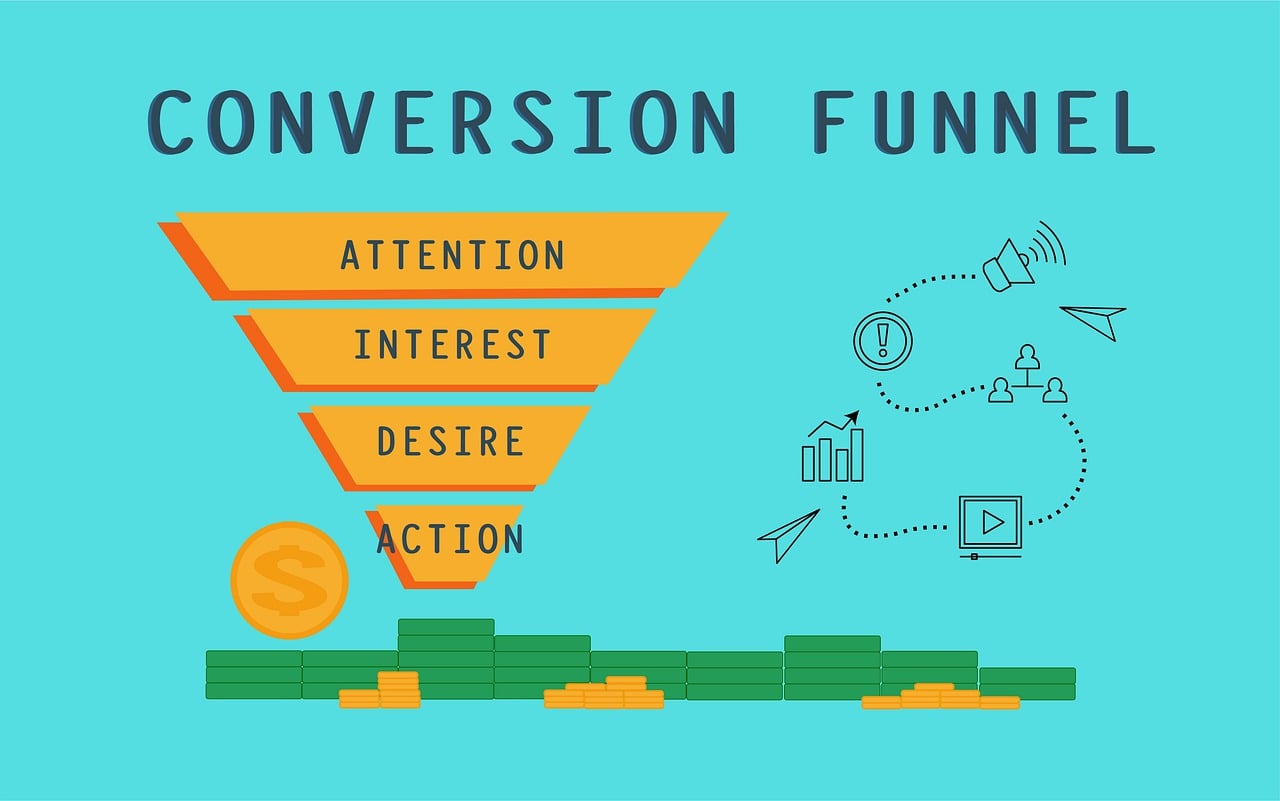
Installation leads often require multiple touches. If someone requests an estimate for a water heater replacement, AC system, or panel upgrade and does not book immediately, follow up with a structured sequence. Use a mix of calls, texts, and emails that answer common concerns such as timing, financing, warranties, and product options.
Use market segmentation to outmaneuver bigger competitors
Smaller and mid-sized contractors can compete effectively by focusing on segments that larger players often treat too broadly. Instead of marketing to everyone in the same way, tailor your messaging by customer type, property type, urgency, and service value.
Segment by residential need state
There is a big difference between emergency repair leads and planned upgrade leads. Emergency prospects care about speed, trust, and availability. Planned buyers care more about options, financing, energy efficiency, and long-term value. Your ads, landing pages, and follow-up should reflect those differences.
Segment by home age and infrastructure
Older homes may need repiping, rewiring, panel replacements, ductwork updates, or code-related improvements. Newer homes may be better targets for smart controls, EV charging, water filtration, or efficiency upgrades. This kind of segmentation can improve both relevance and close rate.
Segment by geography and income level
Some neighborhoods support premium installation offers, maintenance memberships, and indoor air quality packages. Others may respond better to repair-focused messaging, financing, and practical value propositions. Competitive markets reward nuance.
Measure the metrics that actually drive growth
Without measurement, lead generation becomes guesswork. The goal is not just to count inquiries. It is to understand which channels and campaigns produce profitable jobs and repeat customers.
Track these metrics consistently:
- Cost per lead by channel
- Lead-to-booking rate
- Booking-to-sale rate
- Average ticket by service type
- Revenue by source
- Customer acquisition cost
- Return on ad spend where applicable
- Lifetime value for maintenance members and repeat customers
Review data by service line, not only at the company level. Plumbing, HVAC, and electrical leads behave differently. Emergency drain cleaning is not evaluated the same way as a full HVAC replacement or generator installation. Better segmentation leads to better decisions.
Common mistakes that limit lead flow in competitive markets
Even good companies often underperform because of avoidable mistakes. Watch for these issues:
- Using one generic page for all services
- Sending paid traffic to the homepage
- Ignoring Google Business Profile optimization
- Failing to ask for reviews consistently
- Slow response times to calls and forms
- Not tracking booked jobs back to source
- Weak local content and duplicate city pages
- Overbidding on broad keywords without negatives
- Neglecting maintenance plan promotion
- Stopping follow-up after the first estimate
Fixing
Need help with Lead Generation Strategies for Plumbers, HVAC Companies, and Electricians in Competitive Markets?
Text now
Need help with Lead Generation Strategies for Plumbers, HVAC Companies, and Electricians in Competitive Markets? Text now