

Google Local Services Ads vs Google Ads for Lead Generation: Which Delivers Better Leads?
Choosing the right Google advertising channel for lead generation can have a major impact on cost, lead quality, close rates, and overall return on marketing spend. For local service businesses especially, the debate often comes down to two options: Local Services Ads and traditional Google Ads. Both can put your business in front of people who are actively searching, but they work very differently and attract different types of prospects.
If your goal is not just more leads, but better leads, it is important to understand how each platform handles intent, targeting, trust, pricing, and follow-up. The best choice depends on your service category, sales process, market competition, average job value, and ability to manage incoming inquiries. This guide breaks down where each option shines, where each falls short, and how to decide which one is more likely to drive qualified opportunities for your business.
How buyer intent shapes lead quality
Lead generation starts with intent. Not every click or call is equal, and not every searcher is equally ready to buy. The biggest difference between Google Local Services Ads, often called LSAs, and standard Google Ads is how they capture and filter intent.
Local Services Ads are built for service-based businesses that want direct leads such as phone calls, messages, or booking requests. These ads usually appear at the very top of the search results in eligible categories and locations. Because they are designed specifically for local services, they often attract people who are looking to hire now, not just research options.
Traditional Google Ads, especially Search campaigns, can also capture high-intent users, but they cover a wider range of search behavior. A user clicking a standard search ad may be ready to call today, comparing providers, researching costs, or simply gathering information. That broader reach can be an advantage for scale, but it can also reduce average lead quality if campaigns are not tightly structured.
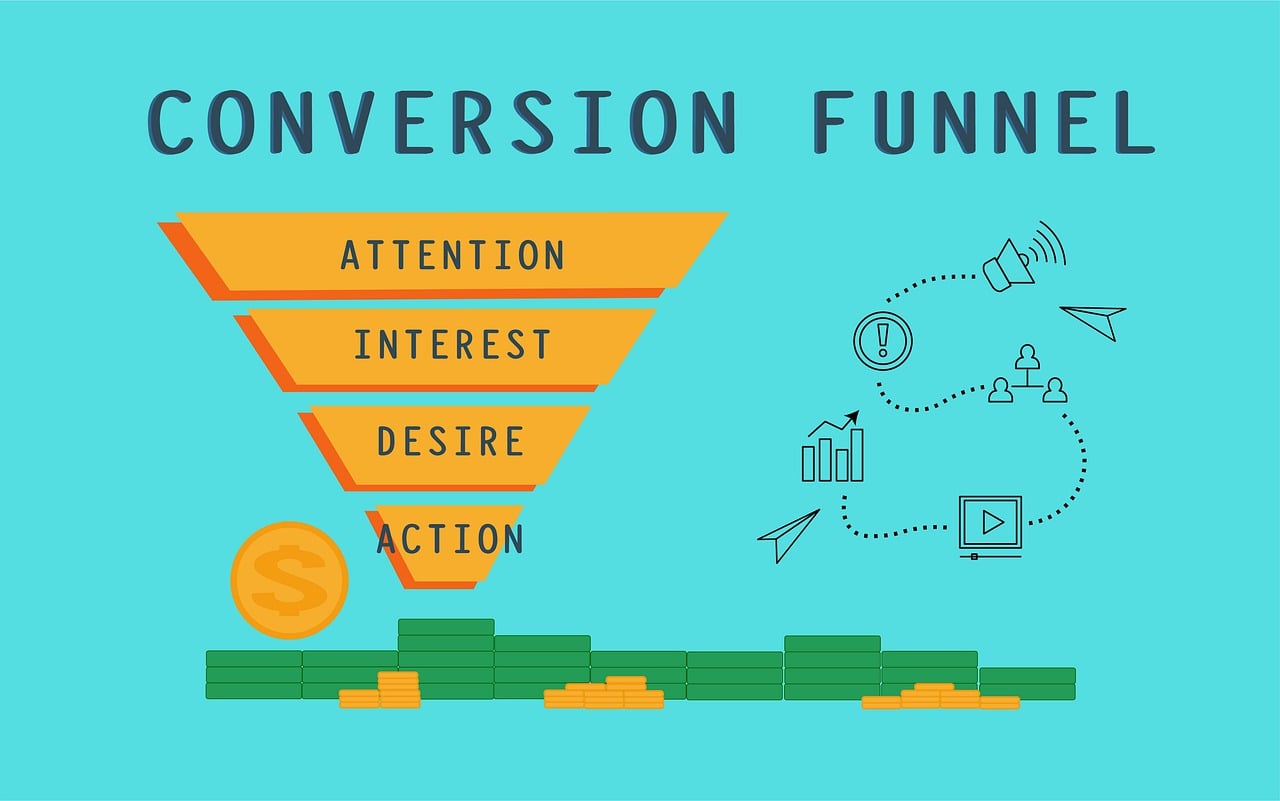
In practical terms, LSAs often generate leads with stronger immediate purchase intent, while Google Ads can generate a larger mix of top, middle, and bottom funnel traffic. Businesses that need fast, direct-response leads often favor LSAs. Businesses that want more control over the full customer journey often lean toward Google Ads.
What Google Local Services Ads are designed to do
Local Services Ads are not just another ad format. They are a specialized lead generation product for eligible local service categories such as legal, home services, repair, cleaning, and similar appointment-driven businesses. Instead of paying per click, advertisers typically pay per lead. That is a major distinction.
LSAs are built around trust and simplicity. Prospects see a short business profile with your company name, review rating, hours, service area, and often a trust badge such as Google Guaranteed or Google Screened where applicable. This format reduces friction. A person searching for help can quickly compare a few providers and contact one without needing to navigate a full website first.

The platform also emphasizes verification and reputation. Businesses often go through background checks, licensing verification, and insurance checks depending on category and region. Those requirements can improve user confidence and may raise conversion rates for businesses that qualify.
Google explains the structure and availability of these ads in its official documentation on Local Services Ads. Reviewing the eligibility details is important before building a strategy around the platform, because not every industry or geography is supported.
Core strengths of LSAs
One of the biggest strengths of LSAs is trust. The ad format communicates legitimacy quickly. For many searchers, especially those hiring a plumber, locksmith, electrician, roofer, or attorney, trust matters as much as price. Seeing ratings and verification signals before contact can improve the odds that the lead is serious.
Another strength is friction reduction. Instead of clicking through multiple pages, the user can call or message straight from the ad unit. That is helpful for urgent services where speed matters.
LSAs can also be easier to manage than full Google Ads campaigns. There are fewer moving parts. You are not building complex keyword lists, ad groups, bidding strategies, and landing page tests in the same way. For small businesses with limited time, that simplicity is attractive.
Common limitations of LSAs
LSAs offer less control than Google Ads. You do not manage detailed keyword targeting in the same way, and your branding options are limited. You also have less room to educate the prospect before they contact you. That can lead to good lead volume but less ability to shape expectations around pricing, service scope, or process.
Lead disputes are another consideration. While paying per lead sounds efficient, not every lead will be qualified. Some may be outside your service area, unrelated to your offering, or duplicate inquiries. Businesses need a process for reviewing and disputing invalid leads where the platform allows it.
LSAs are also heavily influenced by reviews, responsiveness, and local competition. If your review profile is weak or your response times are slow, performance can suffer even if your service quality is strong.
What traditional Google Ads bring to lead generation
Google Ads is a much broader advertising ecosystem. For lead generation, the most relevant campaign types are Search, Performance Max, call-focused campaigns, and in some cases Local campaigns or remarketing through Display and YouTube. Search campaigns remain the most direct comparison to LSAs because they target users based on search queries.
With Google Ads, you pay primarily per click, not per lead. That means you assume more risk upfront because not every click will become an inquiry. But in exchange, you gain much more control over targeting, messaging, and optimization.
You can choose keywords, match types, geographic targeting, devices, ad schedules, audience signals, conversion strategies, call extensions, lead form assets, and landing pages. That level of control makes Google Ads more flexible across different business models and customer journeys.

Core strengths of Google Ads
The biggest strength is precision. You can target highly specific queries such as “emergency HVAC repair near me,” “family lawyer for custody case,” or “commercial pest control quote.” You can separate campaigns by service type, urgency, location, or job value. That allows you to align budget with the most profitable segments.
Another major advantage is messaging control. In a search ad, you can speak directly to pain points, pricing models, guarantees, specialties, and differentiators. Then you can route the click to a landing page designed to pre-qualify the user. For example, a personal injury firm might highlight free consultations and no upfront fees, while a premium remodeling company might emphasize custom design and larger project minimums. This helps filter out poor-fit leads before they call.
Google Ads also supports full-funnel strategy. A user may first search broad terms, visit your site, leave, and later return through a remarketing ad or branded search. That is valuable for services with longer decision cycles.
Common limitations of Google Ads
Google Ads can become expensive quickly, especially in competitive verticals like legal, home services, and healthcare. Cost per click may be high, and poor campaign structure can waste budget on low-intent traffic.
It also requires more expertise. Success depends on keyword research, negative keywords, bidding strategy, conversion tracking, landing page quality, call handling, and ongoing optimization. Without those elements, lead quality often suffers.
Click fraud, accidental clicks, and broad match inefficiencies can also reduce efficiency if not monitored closely. Businesses that treat Google Ads as set-and-forget often end up paying for traffic that never had a real chance of converting.
Lead quality comparison: which platform tends to deliver better leads?
If the question is strictly about average lead quality, LSAs often have the edge for many local service businesses. The reason is simple: the format is built around immediate action. Users see trusted providers and contact them directly. The path from search to lead is short, and the user is often looking for help now.
That said, better leads does not always mean better business outcomes. A lead that is ready to talk today is valuable, but only if it fits your service area, budget range, and ideal job type. In some markets, LSAs can produce a high volume of quick inquiries that are price-sensitive or poorly matched. Google Ads may produce fewer raw leads, but better-qualified ones if your landing pages and ad copy do a good job of pre-screening.
For example, imagine two roofing companies. One handles all residential repair jobs from storm damage to leak fixes. The other only wants full roof replacements above a certain contract size. The first company may thrive on LSAs because urgent homeowners want immediate contact. The second may prefer Google Ads because it can direct users to a landing page that explains project minimums, financing, and premium materials, which filters out smaller jobs.
So which delivers better leads? For emergency, high-intent, local services, LSAs often win on immediacy and close readiness. For specialized, premium, or more consultative services, Google Ads often wins on qualification and message control.
Cost structure and return on investment
Cost is not just about what you pay. It is about what you keep after sales costs, staff time, and wasted inquiries are considered.
How LSA pricing affects ROI
Because LSAs are usually pay-per-lead, they can feel more efficient. You are not paying for every visitor, only for actual lead events. That can improve perceived ROI, especially for small businesses that want predictable outcomes.
However, a pay-per-lead model does not eliminate waste. Some leads will be low quality, duplicate, or outside your scope. If your team is slow to respond, even good leads may be lost. In other words, the platform may reduce top-of-funnel waste, but operational discipline still determines profitability.
LSAs also tend to reward businesses with strong reviews and responsiveness. That creates a flywheel. Better service and faster follow-up can improve placement, which can improve lead flow, which can improve ROI.
How Google Ads pricing affects ROI
Google Ads requires more careful math. Since you pay per click, your conversion rate from click to lead and lead to customer becomes critical. A campaign with expensive clicks can still be highly profitable if the lead quality is excellent and close rates are strong.
This is where conversion tracking matters. Google provides guidance on conversion tracking, and businesses that implement it properly are better positioned to optimize for real outcomes instead of vanity metrics like clicks or impressions.
For example, if a legal practice pays a high cost per click but signs one valuable case from every twenty leads, the economics may still be favorable. On the other hand, a home cleaning business with lower margins may struggle if click costs rise and landing pages underperform.
In many cases, LSAs produce stronger short-term efficiency, while Google Ads offers more upside through optimization and scale. The better ROI depends on your average customer value, sales process, and campaign management quality.
Trust signals and how they influence conversions
Trust is a major factor in lead generation, especially for local services. People are inviting businesses into their homes, relying on legal advice, or making urgent decisions under stress. The platform that communicates trust faster often generates better leads.
LSAs are designed around trust from the start. Ratings, reviews, business details, and verification badges are front and center. That makes the ad itself a screening tool. Users may contact a provider because the platform presentation already answers basic credibility questions.
Google Ads can also build trust, but it requires more work. The ad copy must be compelling, and the landing page must reinforce authority through testimonials, certifications, years in business, process transparency, and clear calls to action. Businesses with strong websites can do this very well. Businesses with weak sites may see lower conversion rates even if their service is excellent.
In short, LSAs package trust for you. Google Ads gives you the freedom to build trust your own way. Which is better depends on how strong your brand assets already are.
Targeting, control, and the quality of fit

Lead quality is not just about buyer intent. It is also about fit. A lead can be highly motivated and still be wrong for your business.
This is where Google Ads often outperforms LSAs. With keyword-level control, location exclusions, ad scheduling, device adjustments, audience layering, and tailored landing pages, you can shape who sees your offer and what they expect before they contact you.
Suppose you run a law firm that only handles high-asset divorce cases. LSAs may still send inquiries from users seeking low-cost legal help or unrelated services. With Google Ads, you can target terms related to your specialty, write ads around complex representation, and build intake forms that pre-qualify based on case details.
Likewise, a restoration company that only wants insurance-backed jobs can use ad copy and landing page content to discourage small cash-only projects. That kind of positioning is harder to communicate within the limited LSA format.
So while LSAs often produce strong raw intent, Google Ads often produces stronger fit when your ideal customer profile is narrow.
Speed to lead and operational readiness
No lead generation platform can overcome poor follow-up. In both LSAs and Google Ads, speed matters. But it matters even more with LSAs because users often contact multiple providers quickly and expect immediate response.
If your office misses calls, delays replies, or lacks a clear intake process, LSA performance can disappoint despite good visibility. The same is true for Google Ads, but the impact may be slightly less severe when users are still researching and comparing options.
Businesses that do best with either platform usually have:
- Fast call answer rates
- After-hours response systems
- Clear lead routing
- Scripted intake questions
- CRM tracking for source and close rate
- Consistent review generation
If your operations are not ready for immediate lead handling, the platform with higher-intent leads may not actually perform better. You need marketing and operations working together.
When Local Services Ads are the better choice
LSAs are often the better choice when your business fits several of the following conditions:
- You operate in an eligible local service category
- Your leads are primarily calls or direct inquiries
- Your customers usually need help soon
- Your team can respond quickly
- Your review profile is strong or improving
- Your website is not yet a major competitive asset
- You want simpler campaign management
Examples include emergency plumbers, locksmiths, electricians, HVAC repair companies, house cleaners, and similar service providers. In these categories, the combination of trust signals and immediate contact often leads to strong close rates.
LSAs can also be ideal for small businesses that do not have the internal expertise or agency support needed to run sophisticated Google Ads campaigns. The lower complexity can help them get traction faster.
When Google Ads are the better choice
Google Ads are often the better choice when your business needs control, specialization, or scale. They are especially effective when:
- Your services are diverse and require segmented messaging
- Your ideal customer is narrowly defined
- Your sales cycle is longer or more consultative
- You need to educate prospects before they convert
- Your website and landing pages are strong
- You want to target specific high-value keywords
- You need remarketing or broader funnel coverage
Examples include high-end remodeling firms, specialized law practices, B2B local services, medical practices with specific treatments, and businesses with distinct service lines that require different messaging.
Google Ads also become more attractive when you want to grow beyond direct-response leads and build a durable search presence across multiple stages of the buying journey.
The strongest strategy for many businesses: using both together
For many local businesses, the real answer is not LSAs versus Google Ads. It is LSAs plus Google Ads. The two platforms can complement each other extremely well.
LSAs can capture immediate, high-intent leads at the top of the results page. Google Ads can cover additional search inventory, branded terms, niche services, and custom messaging. Together, they increase visibility and reduce dependence on a single lead source.
A blended strategy may look like this:
- Use LSAs for core service categories with strong immediate demand
- Use Google Search Ads for specialty services and high-margin jobs
- Use landing pages to pre-qualify more complex opportunities
- Track call quality and close rate by source
- Shift budget based on booked revenue, not just lead volume
This approach also provides resilience. If competition increases in one channel or platform rules change, your lead flow does not collapse overnight.
How to evaluate lead quality the right way
Too many businesses judge channels by cost per lead alone. That is a mistake. Better leads should be measured by business outcomes, not just inquiry counts.
To compare LSAs and Google Ads fairly, track:
- Lead-to-contact rate
- Qualified lead rate
- Appointment or estimate rate
- Close rate
- Average job value
- Revenue per lead
- Cost per acquired customer
- Lifetime value by source
For example, one source may generate cheaper leads, but if the close rate is low and the jobs are small, it may underperform a more expensive source that produces fewer but better-fit customers.
Listening to call recordings and reviewing intake notes is also essential. Lead quality problems often show up there before they appear in dashboards. You may discover that one channel brings more price shoppers, while another brings more informed buyers who are ready to schedule.
Common mistakes businesses make when comparing the two
Comparing volume without context
A higher lead
For additional background on Google Local Services Ads vs Google Ads for, see Google Local Services Ads vs Google Ads for.
Need help with Google Local Services Ads vs Google Ads for Lead Generation: Which Delivers Better Leads??
Text now
Need help with Google Local Services Ads vs Google Ads for Lead Generation: Which Delivers Better Leads?? Text now